The Quiet Mentor: How Jimmy Osmond Spent Decades Lifting Other Careers From the Shadows
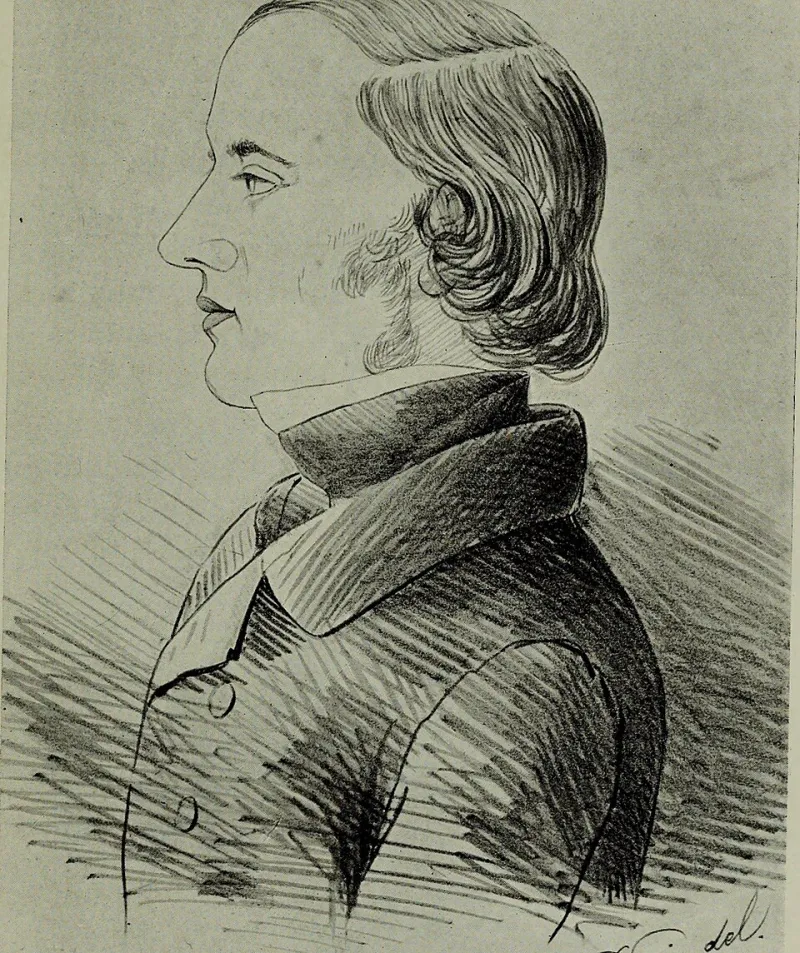
Photo: Internet Archive Book Images, No restrictions, via Wikimedia Commons
Here's a question worth sitting with: how do you measure the impact of a career that extends well beyond your own discography? For most entertainers, legacy is counted in albums sold, tours completed, and awards collected. But for Jimmy Osmond, there's another metric that matters just as much — and it's one that rarely shows up in the official tallies.
Count the careers he helped launch. Count the performers who found their footing because someone with Jimmy's experience and connections believed in them early. Count the backup singers who stepped into the spotlight, the young musicians who got their first real industry introduction through his network, and the emerging entertainers who learned what it actually means to sustain a career in this business from someone who's been doing it since childhood.
When you start adding those up, Jimmy Osmond's legacy looks a whole lot bigger than even his most devoted fans might realize.
Learning by Doing — and Then Teaching by Example
To understand why Jimmy became such a natural mentor, you have to understand where he came from. He didn't have the luxury of a slow, protected introduction to the entertainment industry. He was performing professionally before most kids his age were worrying about little league tryouts. By the time he was a teenager, he had logged more stage hours than performers twice his age.
That experience is genuinely irreplaceable. You can study the music business in school, read every book ever written about the industry, and still not have the instinctive understanding of how it actually works that comes from living it. Jimmy had that understanding baked into his bones, and it made him an unusually valuable resource for younger performers trying to find their way.
What made him an effective mentor rather than just an experienced industry veteran was his willingness to actually share what he knew. Not everyone with hard-won expertise is inclined to pass it along. Some performers guard their knowledge jealously, treating experience as a competitive advantage. Jimmy's approach was different — more open, more generous, more focused on what the person in front of him needed to hear rather than what made him look impressive.
The Osmond Family as a Mentorship Laboratory
In some ways, the Osmond family itself functioned as Jimmy's first mentorship experience — except in reverse. As the youngest brother in a large family of performers, he spent his formative years watching, absorbing, and learning from siblings who had already navigated the terrain he was about to enter.
But the dynamic shifted as Jimmy matured. The knowledge he'd accumulated from being the student became the foundation for his role as a guide to others. He understood firsthand what it felt like to be the youngest person in the room, to be underestimated, to have your contributions overlooked because of your age or your position in a larger family narrative. That empathy made him particularly attuned to the challenges facing young performers trying to establish their own identities.
For fans who've followed the Osmond story closely, it's interesting to trace how that dynamic played out not just within the family but in Jimmy's broader professional relationships. The same patience and encouragement he received from his brothers became hallmarks of the support he extended to others.
Backup Singers and the Road to Center Stage
One of the less-discussed aspects of Jimmy's mentorship legacy involves the performers who worked alongside him in supporting roles — backup singers, session musicians, opening acts — and went on to build significant careers of their own. This is a pattern that shows up repeatedly in the history of major entertainers, but it's rarely documented as systematically as it deserves to be.
The environment Jimmy created around his performances and recording projects tended to attract talented people who were still figuring out their potential. His collaborative instincts, which we've written about elsewhere on this site, meant that he genuinely engaged with the people around him rather than treating them as interchangeable parts of a production machine.
For a backup singer or a young session player, that kind of engagement can be transformative. Being seen as a creative contributor rather than a hired hand changes how you carry yourself in the studio and on the stage. It builds confidence in ways that translate directly into career development. Several performers who got their early professional experience in Jimmy's orbit credit that environment as a turning point in how they understood their own capabilities.
Industry Connections as a Form of Generosity
Beyond the direct mentorship he offered to individual performers, Jimmy's extensive network of industry connections functioned as a kind of resource he made available to people he believed in. In the entertainment business, who you know matters enormously — sometimes more than talent itself, at least in the early stages of a career.
Jimmy was never stingy with introductions. If he saw potential in a young performer and had a connection that could help them, he made the call. That's a simple thing to describe and a genuinely significant thing to do. Industry gatekeepers don't open doors for just anyone, and a recommendation from someone with Jimmy's credibility and track record carries real weight.
For the recipients of those introductions, the impact was often career-defining. Getting in front of the right producer, the right label executive, or the right booking agent at the right moment can change everything. Jimmy understood that, and he used his position to create those moments for people who might not have been able to manufacture them on their own.
What Real Mentorship Looks Like
Here at Jimmy G. Osmond Fan World, we talk a lot about Jimmy's music, his performances, and his place in pop history. But this is the part of his legacy that we think deserves more conversation among fans — the human side of his career, the relationships he built, and the lives he touched in ways that don't show up on any chart.
Real mentorship isn't glamorous. It's phone calls and honest conversations and showing up when someone needs guidance rather than applause. It's sharing what you know without making the other person feel small for not knowing it yet. By every account from people who've worked with and learned from Jimmy Osmond, that's exactly the kind of mentor he has been.
That's a legacy worth celebrating, and we're glad to be the ones doing the celebrating.